I find myself avoiding the phone completely

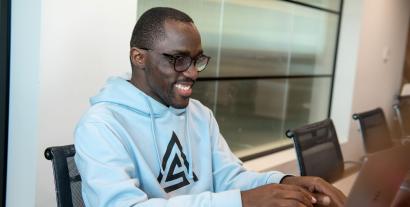
As part of our campaign to End the Phone Call Nightmares, Alex Taylor tells us how demoralised he felt after being laughed at during a phone interview aged 16, and how voice recognition systems don't always recognise his stammer.
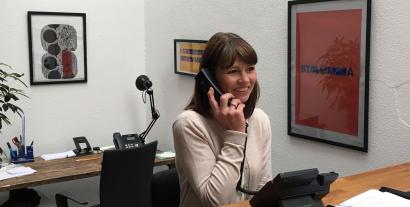
Answering the phone can cause anxiety in anyone. However, having a stammer adds another level to that. Imagine answering the phone and you can't even say hello. The amount of times I've heard "Is anyone there?" while I've been struggling to speak… well, let's just say that if I got a penny each time, I'd be rich.
One experience that stands out was when I had just left school at 16 and needed a part time job for the summer. I was asked to have a phone interview with one employer and my main memory of this was getting laughed at. After every answer I gave, or during a stammer, I just heard laughing on the other end. This was followed by bluntness and rudeness, and being rejected with no feedback. This knocked my confidence completely. From then on, I'd find ways to avoid speaking on the phone and even in person.
After every answer I gave, or during a stammer, I just heard laughing on the other end.
Phone interviews became a non-option for years after this. I'd often ask companies to make adjustments so that I didn't have to speak on the phone, even getting people to speak for me.
It wasn't until recently that I built up the confidence to speak on the phone again, and when I do, I say, "I have a stammer, please bear with me".
Voice recognition challenges
As technology develops and automated voice recognition becomes more common, this has created another issue for me and many who stammer. For goodness sake, my date of birth starts with 30, not 13! I can understand the benefits of this technology as it streamlines data input and in theory makes life easier. But when I hear "Please can you repeat that again?" it makes me consider whether this phone call with the bank or doctor is really needed.
I think it's important for organisations to understand that simply not everyone can speak the same.
This is the main issue I have today when speaking on the phone. I've learnt ways to help me speak through breathing and taking my time, but a computer cannot understand this and will always just go off the binary input of, 'this person will speak or not speak', nothing in between. Because of this, I find myself going to places in person more and avoiding the phone completely, simply removing the stress from the situation.
My message to organisations
I believe the way organisations can help with this is to make someone available to speak to if the automated system fails. Or even add an option to select what callers would prefer to do when they start the phone call.
I think it's important for organisations to understand that simply not everyone can speak the same. The giggles we hear when making a phone call don't help us and can make us nervous, so we stammer more. In addition to this, you may think that finishing our sentences or guessing what we are saying will help us, but in reality it doesn't. It'll often make us stressed and stammer more since it feels like you don't have the patience to hear us speak. How do you feel when you're interrupted? Then why do it to someone who is trying their hardest to do something that many take for granted? Yes, I stammer, but my voice is worth hearing and I can do anything a 'fluent' speaker can.
This article is part of our campaign to End the Phone Call Nightmares. If you stammer, see how you can get involved in the campaign to help make a difference.
Are you an organisation? Read our guide for Getting Phone Calls Right, and sign up to one of our free online training workshops.
Related Links

Become a member
It's free
Join the movement to change how people understand and react to stammering.
Campaign. Fundraise. Connect. Meet. Vote. Talk.