What stammering has taught me about communication

Financial adviser Stephen Martin explains why he thinks his stammer has made him better at his job.
It can look, from the outside, that someone working in the financial advice industry has a very particular kind of confidence. Assured, fluent, in command of the room. Polished. The kind of person who seems to have been born knowing exactly what to say and exactly how to say it.
I understand why people who stammer might look at that image and decide the industry is not for them.
I am a financial adviser and I stammer. In my previous article Don't let stammering choose your career I wrote about the challenges of growing up with a stammer and what helped to change my mindset, which in turn helped me to stop limiting myself and go for the career I wanted.
I want to tell you why I think my stammer has made me better at my job — not in spite of it, but because of what stammering has required me to learn about myself, about communication, and about what it actually means to help someone.
What stammering taught me about advice
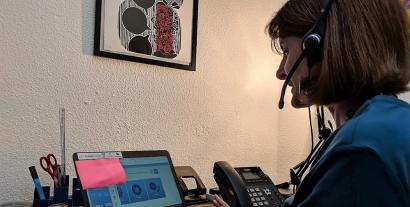
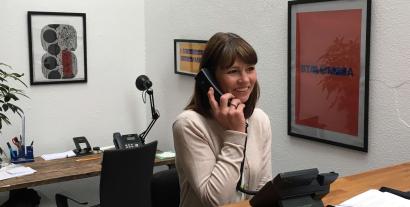
As a financial adviser, I work on the phone daily. I sit with clients in meetings where the quality of communication — not performance, but genuine connection and clarity — is everything.
When speaking is not automatic, you become a better listener. You pay closer attention to what is being said around you, because you have learned not to take your turn in a conversation for granted. You become more attuned to other people's pace, their comfort, whether they are following you or just being polite.
Trust is built through honesty, patience and genuine attention, not through being the most articulate person in the room.
You learn that silence in a room is not a failure. That preparation matters more than performance. You learn that the person across the table from you is not judging your fluency — they are trying to work out whether they can trust you. And trust is built through honesty, patience and genuine attention, not through being the most articulate person in the room.
Making advice accessible
Financial advice — pensions, investments, protection, planning for the future — should feel accessible to everyone. But I know from experience that for someone who stammers, walking into a professional meeting or picking up the phone to a stranger carries extra layers of anxiety that most advisers have never had to think about.
Having a stammer has shaped the way I interact with my clients. Whenever someone comes into my practice, there is no rush. No subtle pressure to present themselves in a certain way. I understand pace. I understand the value of space in a conversation, of following up in writing, of simply not making someone feel watched.
Some people who stammer can be put off from booking appointments with professionals, which can have serious implications on their financial situation, for example. But you belong in that room.
I no longer see stammering as 'bad' communication. Far from it. Here is what I have come to understand: the skills I built navigating a childhood and a career with a stammer are not incidental to what I do. They are central to it.
If you would like to contact Stephen, email us at editor@stamma.org and we'll pass your message on.
More
Help to keep these stories going
Articles like Stephen's help people who stammer feel less alone. They inspire and encourage others.
Please donate today and help us share more voices.
Related Links


Become a member
It's free
Join the movement to change how people understand and react to stammering.
Campaign. Fundraise. Connect. Meet. Vote. Talk.