Not everyone benefits from automated voice recognition
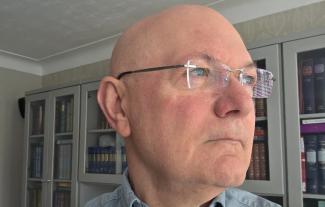
As part of our End the Phone Call Nightmares campaign, Paul Calvert tells us about a positive experience he had with an operator who made space for his stammer, but asks if others are doing the same.
Not that long ago, my Sky box started playing up, losing internet connection regularly, and not being able to play on the two mini-boxes. My default means of contacting service providers is usually via webchat, but Sky's proved to be dumber than a meeting of politicians, so I had to resort to making a phone call.
Unfortunately, like most firms these days, they don't seem to want to employ real people, so they make it very difficult to find a contact telephone number. BT are another example of a utility provider making it difficult to call. After fruitlessly searching around on Sky's website and being endlessly redirected back to the online help page or their dumb chatbot, I gave up and asked Google… something I should have done in the first place.
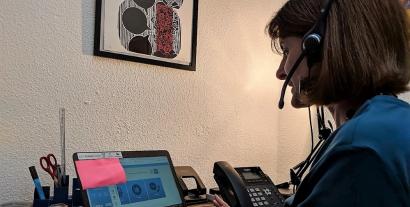
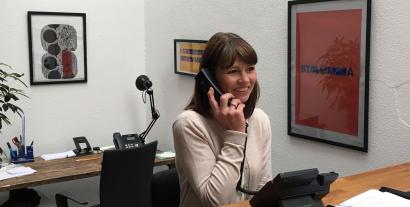
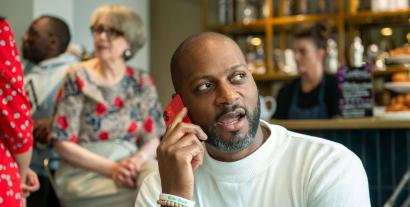
Surprisingly, after tapping through options, my call was answered promptly by a lady who actually knew her stuff, and we ended up resolving the issue, which involved a lot of running up and down the stairs, rebooting boxes and generally getting an entire day's exercise quota in the forty-five minutes it took. Thank goodness for mobile phones and headsets.
She wasn't bothered by my stammer.
While we were waiting for things to power on and off, she and I had a nice chat, mostly about what cruise line she should use for her first cruise, as my wife and I are avid cruisers. She wasn't bothered by my stammer, and to my surprise, asked if I wanted to go onto their register of people with communication difficulties, something nobody has ever asked me before, which I thought was a nice touch.
Now, while I have good and bad days when it comes to how much I stammer and how noticeable it is, I've never really considered myself as having a 'real' disability, just an embarrassing 'embuggerance' (to quote the late, great, Sir Terry Pratchett) that was more of a pain to the listener than to me. Intrigued, I agreed to her offer, and she said it would show up if I called again, so the operator would know and react accordingly.
Occasionally in the past, I have been hung up on as I couldn't get a word out, and the other person thought I had hung up, or nobody was there! Such is life, and while very annoying at the time, I can look back now and smile about it.
On the subject of phoning, some time ago, my bank introduced a system so that customers could be identified by their voice, simply by saying, "My voice is my password". Supposedly, the system is so good that it can even detect if someone is under duress or a great deal of stress. Hmmm, I'm not convinced it can, but who knows? Unfortunately, like many stammerers, I can get stuck on my 'P's. Touch wood, so far it hasn't been an issue, although I know one day I will get stuck on the word 'password', which would be ironic!
It would be interesting to know what other steps companies are taking to make sure customers with speech impediments or vocal challenges aren't marginalised or excluded. This drive to automation, voice recognition and AI responders is all well and good, but not everyone is able to benefit from these changes unless safeguards are put in place.
Have you had a recent phone call that went badly? Fill out our short form and tell us about it. We need your experiences to show companies what the problem is.
Why not tell your employer about our free online phone call training?
Help to keep these stories going
Articles like Paul's help people who stammer feel less alone. They inspire and encourage others.
Please donate today and help us share more voices.
Related Links
Become a member
It's free
Join the movement to change how people understand and react to stammering.
Campaign. Fundraise. Connect. Meet. Vote. Talk.