Measures to make Parliament inclusive: we respond
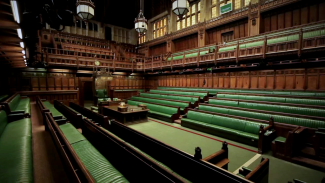
The Inclusive Parliament Coalition urges the House of Commons to include communication needs to its accessibility improvement plan.
The story so far…
Two years ago, a 'modernisation' committee was set up to look at making the House of Commons a more accessible environment. It invited the public to make suggestions on what they'd like to see.
In response, STAMMA and the Royal College of Speech & Language Therapists (RCSLT) formed the 'Inclusive Parliament Coalition' to put together a submission. Representing over 30 organisations, the coalition set out a list of recommendations for putting MPs, staff and members of the public with communication differences and disabilities on a more even footing in their interactions with Parliament. It then gave both written and oral evidence to the committee.
After considering all the submissions, the committee published its report last December. Although broadly welcomed by the coalition, we expressed concern that its recommendations didn't go far enough for people with communication needs.
Communication needs not covered
Earlier this March, the House of Commons Administration — the body that would put the Modernisation Committee's accessibility recommendations into practice — responded, setting out its plans for improvements.
In a statement on the 1st July, the Inclusive Parliament Coalition expressed its concerns with the response. Although commending the House Administration for acknowledging the issue, the coalition has expressed concern that the measures don't go far enough for people with communication disabilities.
It therefore urges the House Administration to work with the coalition to "deliver the practical, systemic changes required to ensure Parliament is accessible to and inclusive of everyone".
You can download the Inclusive Parliament Coalition's statement from the RCSLT's website (1st July).
Timeline
- Coalition calls for an inclusive Parliament (29th Nov 2024)
- Inclusive Parliament Coalition's statement (4th March 2025)
- Watch: Inclusive Parliament — giving evidence (20th June 2025)
- Parliament not a safe space if you stammer, committee told (27th June 2025)
- Inclusive Parliament Coalition update (11th November 2025)
- Speech coalition tentatively welcomes accessible Parliament report (26th January 2026)
Related Links

Become a member
It's free
Join the movement to change how people understand and react to stammering.
Campaign. Fundraise. Connect. Meet. Vote. Talk.