Why trainee teachers need training in stammering now

Dr. Lucy Davies, Assistant Professor of Education at Durham University, tells us about the resources she's developing with illustrator/writer Alex Taylor to reshape how stammering is understood in primary education.
Stammering is one of the most common yet least understood speech differences found in primary schools. Around 8% of children will stammer at some point, but despite this prevalence, teacher training rarely addresses how to support pupils who stammer confidently, sensitively and effectively.
As both an ex‑primary teacher and now an Education lecturer leading a module on Equality, Diversity and Inclusion (EDI) at Durham University, this gap has become impossible to ignore. If we are serious about inclusion, about oracy, and about ensuring every child's voice is heard, then stammering must be part of the conversation.
Oracy should amplify every child's voice — not just the fluent ones.
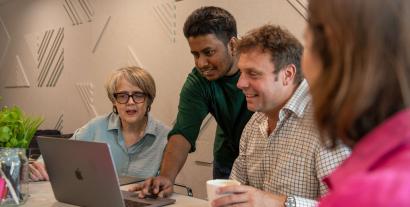
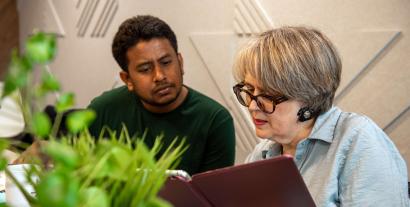
This realisation led me to design a dedicated session for our trainee teachers — one that goes beyond awareness and moves towards genuine understanding and boosts teachers' confidence in how to support children who stammer in their school.
While researching resources, I came across the STAMMA website and was immediately struck by the artwork of illustrator and writer Alex Taylor. His pieces captured the emotional landscape of stammering with honesty, humour and humanity. I reached out to him, initially just to ask if I could use his artwork in my lecture slides, but quickly realised he would be an ideal collaborator. Thankfully, he was enthusiastic from the outset.

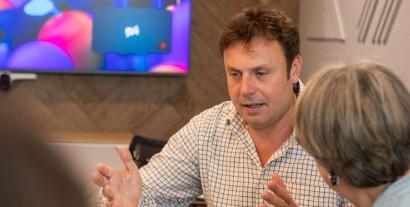
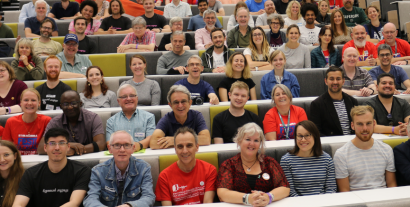
Alex recently published a picture book, 'It's no B BB Bother' (Ed: read our review) about a sloth who stammers, a gentle, beautifully illustrated story that helps children understand difference without fear or stigma. During our session to second year BA Education with QTS trainees, he shared the book, explaining how the slow, thoughtful nature of a sloth mirrors the experience of navigating speech at a different pace. Alex also spoke candidly about his own life as a person who stammers — how it shaped his confidence, his schooling, and his creative work. His openness transformed the room. Trainees weren't just learning about stammering; they were learning from someone who stammers, and that distinction matters.
Response from trainee teachers
The response from trainees has been overwhelmingly positive. Many admitted they had never received any training on stammering before. Some reflected on pupils they had taught during placements, recognising signs they had previously missed. Others expressed relief at finally having guidance on how to respond supportively when a child struggles to speak. Trainees admitted they had held various misconceptions:
That stammering is caused by nerves.
That children should 'slow down' or 'take a breath'.
- That fluency is the goal.
Our session challenges these myths head‑on, giving trainees practical strategies rooted in respect, patience and empowerment.
One student, Emily, described the session:
"Alex's session significantly transformed my understanding of stammering and its impact on children in school. He explained that approximately 8% of children will experience a period of stammering at some point and he outlined how it can affect their daily lives. He also presented strategies for supporting these pupils in our classrooms. The session clarified that stammering is not linked to intelligence and that children do not always grow out of their stammer, so it is important to refer children to speech & language therapy when appropriate. Alex also emphasised the heightened anxiety often experienced by children who stammer, reinforcing the need for sensitivity in the classroom.
'Hearing from Alex has led me to feel passionate about further educating myself on how to best raise awareness of stammering in school. I think that all teachers would benefit greatly from hearing Alex share his experiences."
Project
Together, we are developing a wider project that aims to reshape how stammering is understood in primary education. Our hope is simple but ambitious: to make teachers more confident, more knowledgeable, and more compassionate when supporting children who stammer. This means addressing both overt stammering — the repetitions, blocks and prolongations that people notice — and covert stammering, where children hide their stammer through avoidance, silence or word‑swapping. Without training, these children slip through the cracks.
Our hope is simple but ambitious: to make teachers more confident, more knowledgeable and more compassionate when supporting children who stammer.
This work feels particularly relevant given the current emphasis on oracy in schools. As classrooms increasingly prioritise spoken language, performance, debate and verbal reasoning, children who stammer risk being marginalised unless teachers understand how to scaffold participation fairly. Oracy should amplify every child's voice — not just the fluent ones.
Alex and I plan to expand our collaboration, developing resources, workshops and research. Laura Wild, The Programme Director on Primary Initial Teacher Training at Durham, and Izzy Chazot, EDI Lead, have already committed to ensuring the session runs next year as well so that even more future teachers and their future pupils can benefit.
Our shared aim is clear: to improve the school experiences of children who stammer by equipping teachers with the understanding they deserve.
Are you a teacher or teaching assistant? See our guide for Supporting Pupils Who Stammer.
Read more Your Voice articles.
Would you like to write an article? See Submit Something For The Site or email editor@stamma.org for details.
Help to keep these stories going
Articles like Lucy's help people who stammer feel less alone. They inspire and encourage others.
Please donate today and help us share more voices.
Related Links
Become a member
It's free
Join the movement to change how people understand and react to stammering.
Campaign. Fundraise. Connect. Meet. Vote. Talk.
Your Voice